Archive for the ‘ Trips ’ Category

China – Yangshuo (part 1)

April 12, 2010

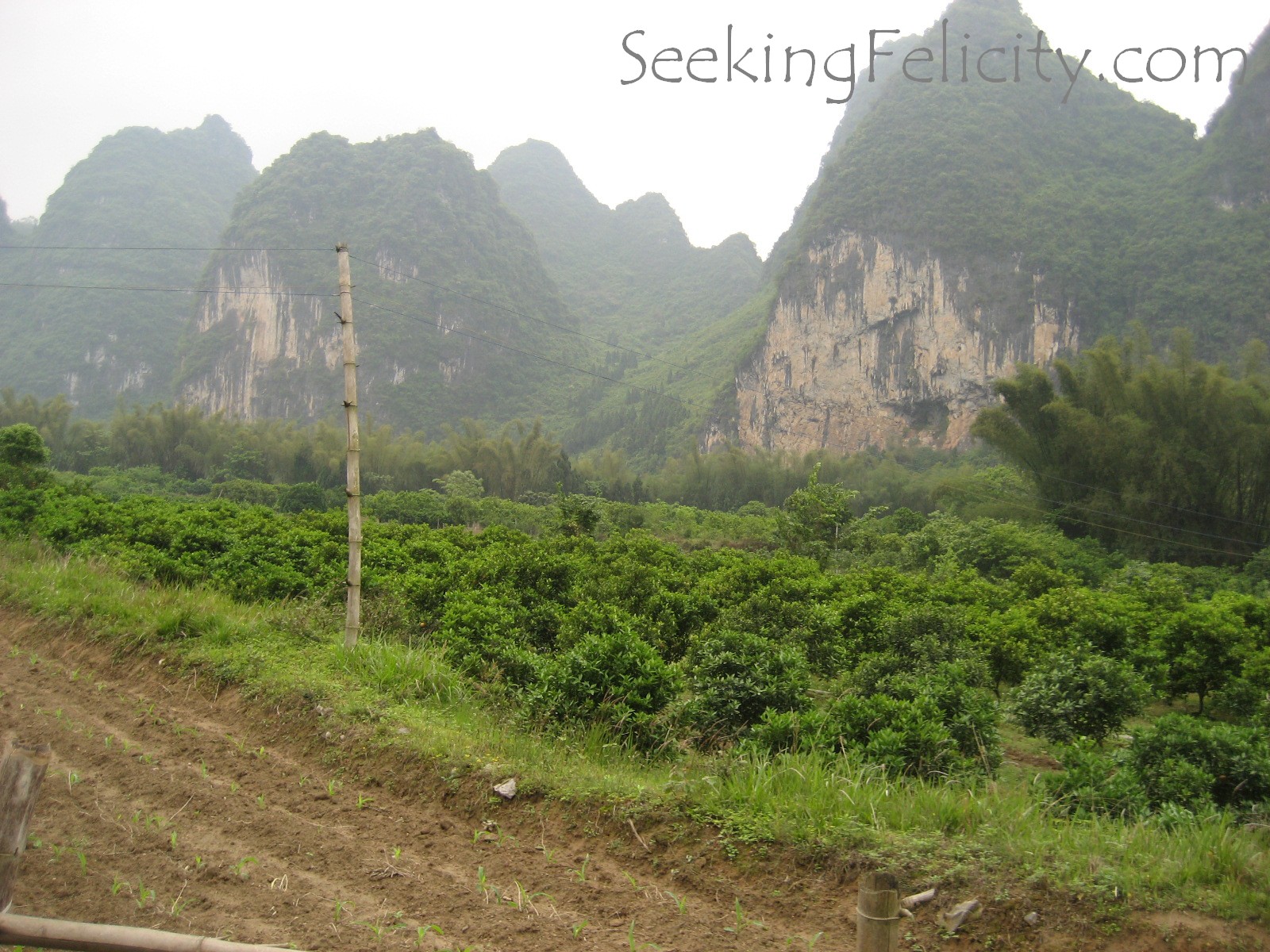
It was time to go to Yangshuo, our last destination for my week long vacation in China. There is a bus terminal in Xingping and it’s just a short walk from our inn, come to think of it, everything’s just a short walk away in that town. ;) Minibuses leave regularly for Yangshuo. Travel time is around 2 hours and costs 15rmb. One was about to leave when we got there so we got in for the ride which was comfortable given the cold weather. I was enjoying looking at small Chinese villages, at the many orange orchard and the beautiful karst mountains surrounding the area when they said that we’ve already arrived at Yangshuo’s bus terminal.

Getting off the bus, there would be people approaching you to lead you to their hotel or to encourage you to book a tour with them etc. Since we had no plans on where to stay there (only what to do), we followed one lady. She brought us to one hostel just near the main street. There is one room at the 3rd floor there with a balcony and a view that I liked. We were told that a room would cost 150rmb especially for that kind of room (located at the higher floors and with a balcony) but we didn’t want to spend much and we’d agree to only 70rmb. They also have a room with no balcony that they offered for 50rmb. When they wouldn’t agree at first, we went back down to look for another place to stay at, not wanting to lose a customer, they gave in. We just have to give an extra 30rmb for key deposit. :)

TIP: Room rates are displayed by the lobby. They’re normally overpriced. Be sure to ask for a lower price. If you’re not satisfied with the amount, walk away. They will most probably come after you.  If they don’t, keep in mind that there are tons of other inns in the area.

The inn we stayed at (at right)

The view from our balcony

Securing a place to stay at, check! Next in the agenda was to fill our grumbling stomachs, we’re famished! We backtracked the path back to the terminal because there were lots of eateries and shops along the way. Since it was still a bit early, not all stalls were opened. However, there was an old man who was busy cooking on a claypot and the food looked appetizing so we ordered from him. I got chicken (why do I keep on ordering it in China?!!! It’s mostly just bones! Ugh! haha) *note to self: skip poultry dishes when on the mainland* while my companion had some pork,we had some tea to accompany it. Mmmm… Brunch! :)

He was busy cooking our meal on a claypot :D

First meal in Yangshuo

Yangshuo is definitely a beautiful place. Everywhere you look at, there are karst mountains that add mystique to the area, I never tire of admiring them. Chinese architecture is  seen on every building built. It doesn’t feel busy and has a relaxing atmosphere despite the many other tourists in the area. Walking around is a good way of discovering this place. We never got lost no matter if we took different streets nor went inside an alley or two. We even trekked another mountain there though we only got halfway up as the trail we were following didn’t lead all the way up.  Another option is to rent a bike and then head out of the village to do more explorations, that one we plan to do on the next day. ;)

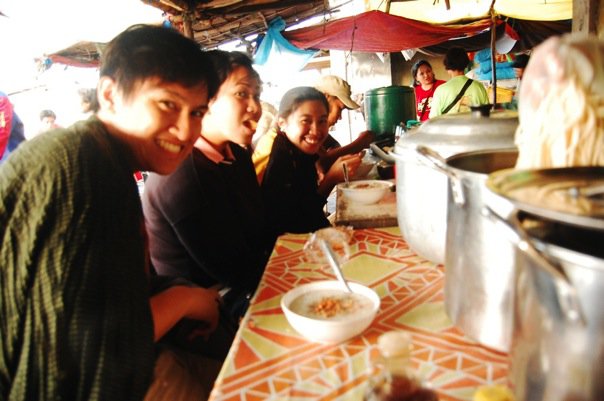
We never ran out of food nor drinks to try out. I loved their (rice) noodles! I want mine with chilis to it though. Yummy! haha Eating or drinking while walking there is common. :D

Street food abounds :)

Lots of condiments to choose from to satisfy every taste

TIP: If you have the time to spare and would really love to live with the locals, a surefire way to save money while meeting tons of friends is to volunteer as an English teacher there for a couple of days. You only have to provide at least 2 hours of your time to talk to their students (they’ll practice their English skills with you) and you’ll be provided with a place to stay at, food, and they even organize trips for their volunteers. Sweet deal huh? ;)

Volunteer in Yangshuo


Related Posts:

DIY: Chinese Visa Application

First time in Mainland China

To Guilin By Train

Cruising the Li River

The Quaint Town of Xingping

Trekking a Karst Mountain

China – Xingping (part 2)

April 11, 2010

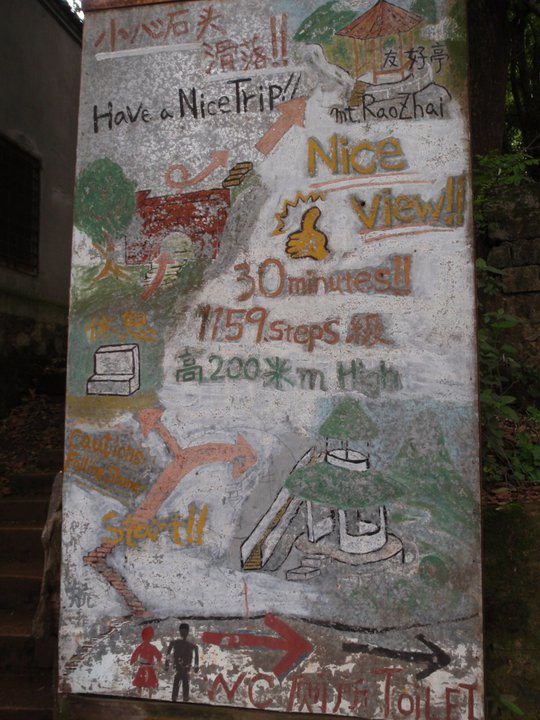
While we were cruising the Li River and admiring the views we were seeing, I asked my companion if it were possible to climb one of  those mountains and he said yes. Amazingly, the inn where we’re staying at was built on the foot of one of the karst mountains. Our inn owner built a walkway(!) to the top of the mountain; all 1,159 steps of it using his own money, time, and effort. One only has to follow the markers that he put up along the way. The climb can be slippery and steep at some point so it pays to always be cautious. It is a bit tiring but there is a pavilion halfway and at the top where you can rest and enjoy the view of the Li River,  Xingping and the surrounding area. It is recommended by our host to stay there for the sunset as the view is stunning but I didn’t want to risk going back down in the dark so we didn’t wait for it. The view was still beautiful. :)

The map of the climb :)

Just follow the arrow

The path on the right leads upward while the one on the left would lead you back to the Japanese garden

Halfway through the trek; inside the Peace Pavilion

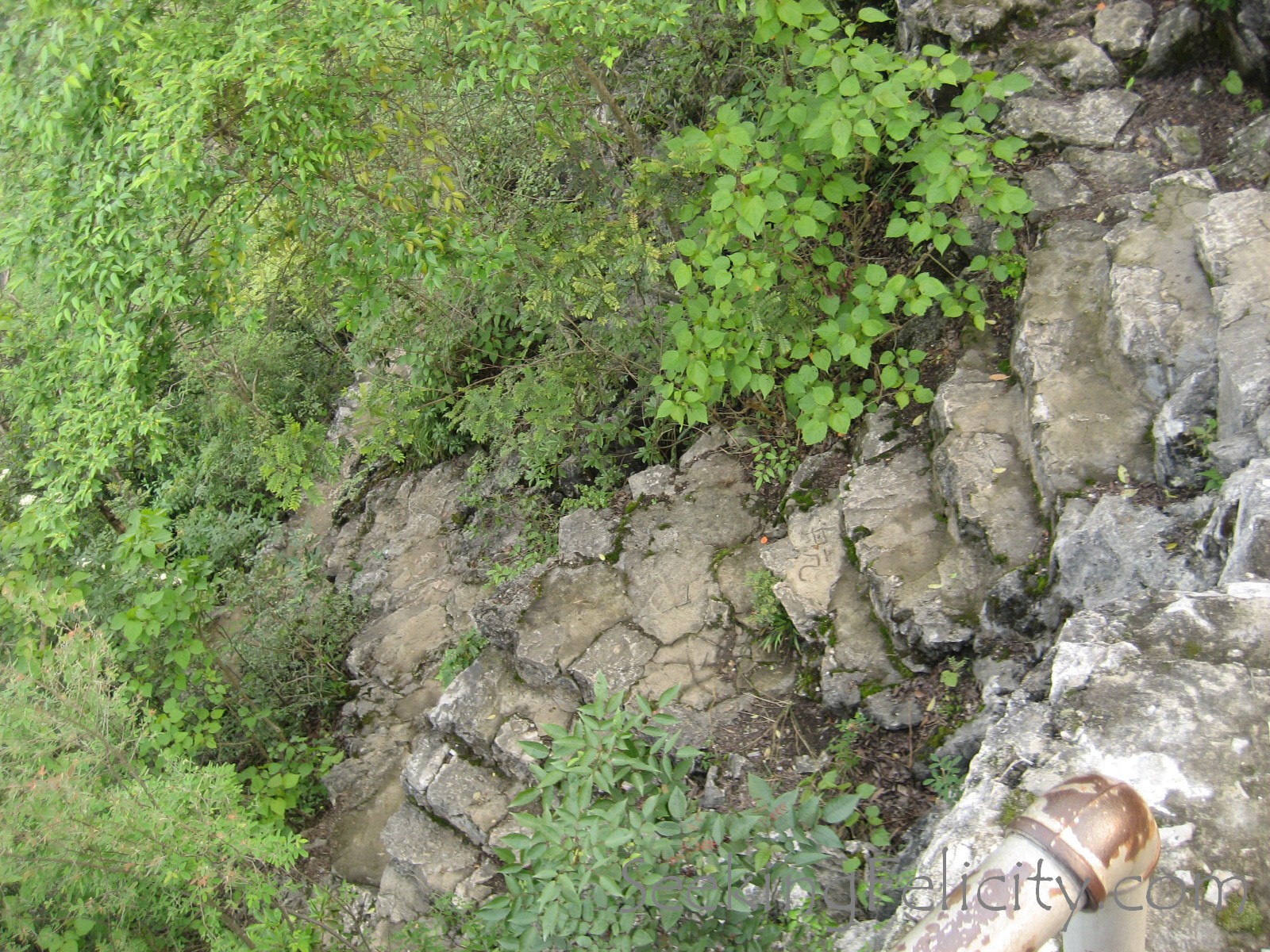
Watch your step!

Viewing the Li River from above

The town of Xingping

Friendship Pavilion, a place to rest at while atop the mountain

Enjoying the breeze

Viewing the opposite bank of the river

It was almost dark when we got back to the inn. Our hostess had cooked a sumptuous meal for us and we joined their family for supper. She prepared four dishes, all of which I’ve tasted for the first time but enjoyed it all the same. If there’s one thing I noticed about Chinese cooking, it’s that when they serve poultry dishes, it’s mostly bones! What happened to all the chicken meat??? Guess they just love to chew and suck on chicken bones. hehe Another custom of theirs that’s different from us is the fact that they’d put their discarded food/ bones on the table itself and not on a small dish, bowl nor at the edge of their plate. I was just a bit surprised at first because it went against what I’ve been taught my whole life but no big deal there for me. Dinner lasted for more than 3 hours because of the conversation. We had to call it a night when it became too chilly to just hang out by the dining area.

Enjoying home cooked dinner

Picture with our hosts before leaving for Yangshuo

http://www.laozhaishan.com/

Room rate: 100rmb/ room/ night with internet cable

Related Posts:

DIY: Chinese Visa Application

First time in Mainland China

To Guilin By Train

Cruising the Li River

The Quaint Town of Xingping

Arrival in Yangshuo

China – Xingping (part 1)

April 11, 2010

After a lovely Li River cruise, our next goal was to find and check in at our guesthouse in Xingping.

Our boat unloaded the four of us to a small bank where a few vendors and minivans/multicabs where parked. We decided against riding coz we saw buildings just up ahead and thought that our inn would be somewhere along that area. We kept on walking and I didn’t mind it at all, the pretty landscape surrounding us was enough to keep me distracted.

However, as we walked the stretch of endless road, buildings were getting scarcer and scarcer in between (and with no cars nor people in sight), it got harder for me to keep moving forward because I didn’t know where we were nor do we have any idea of our proximity from our destination. I was thinking to myself  “please don’t let us get lost in the middle of nowhere!” Good thing I was traveling with a very patient person because I was getting irritable. He easily kept his cool. :) There were many fruit bearing shrubs and I was very tempted to take some from them coz I was getting hungry. I didn’t. I wouldn’t.  haha

A multicab filled with passengers would pass by at least every 20minutes, since I was beat, I made him agree to catch the next one, alas! It was also full. Lucky us, another one passed and the driver was able to squeeze us in. We were facing the rest of the passengers, mostly elementary school girls. Most of which were giggling a lot (hmmm… I wonder why) :D

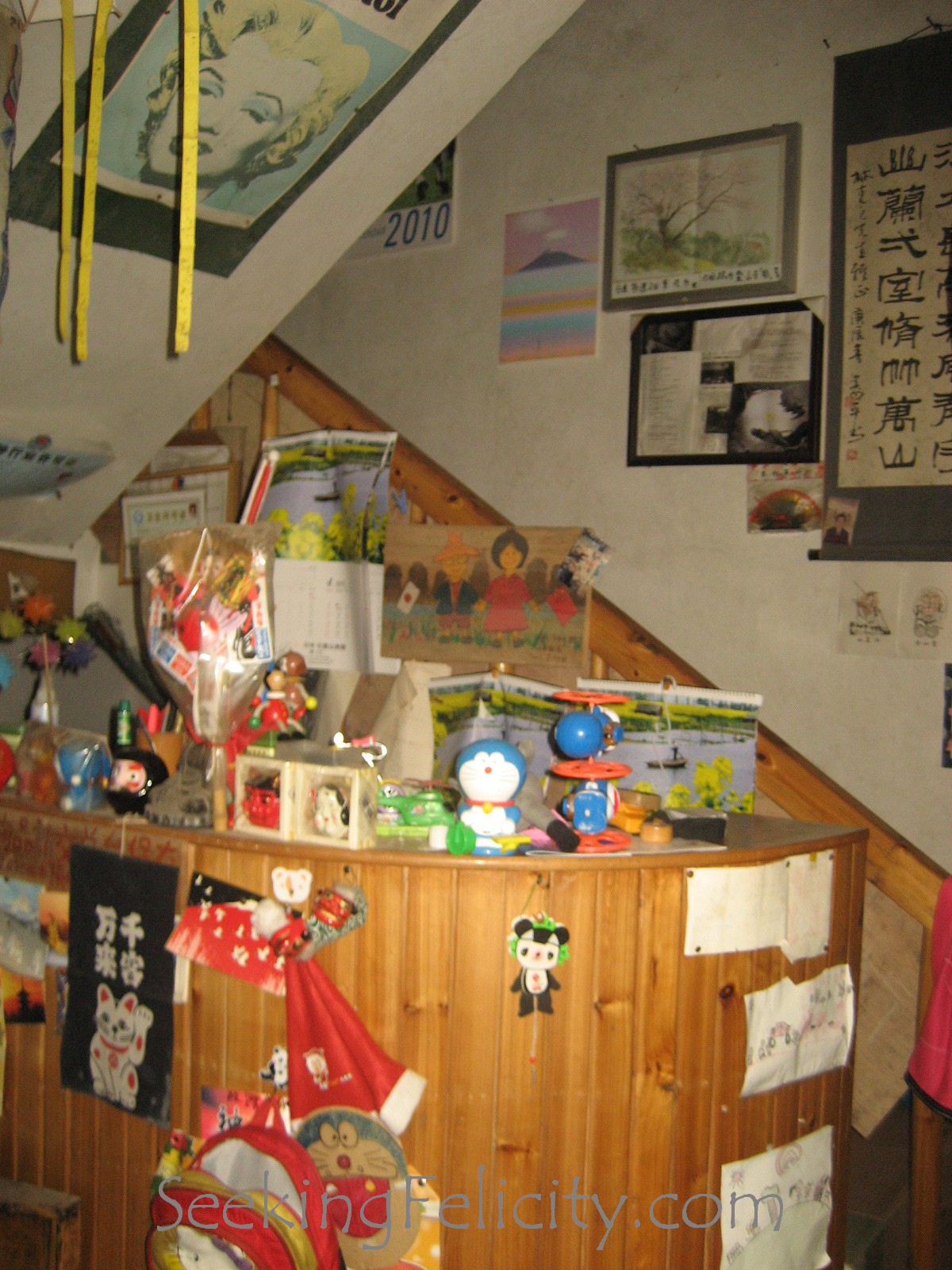
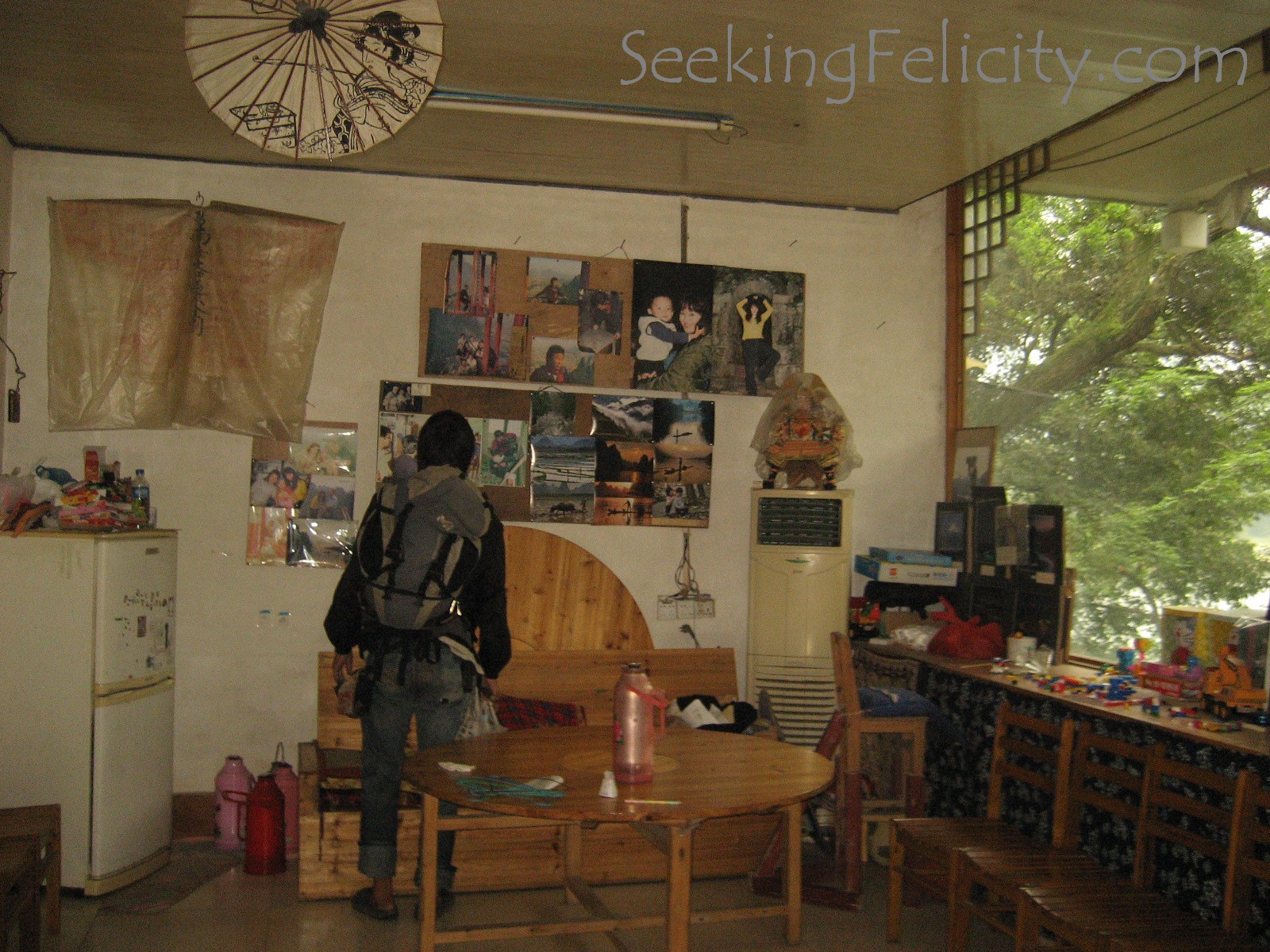
Turns out we were still several kilometers away from our destination. Our destination was the port where the big boats dock for more sightseeing for their passengers. Our guesthouse was just by the riverside. We stayed at Laozhaishan Hotel, owned and operated by a Japanese man and his Chinese wife. The inn is right by the river. There is a Japanese garden outside and the view from their rooms is just superb! At first glance, the place looks cluttered. However, if you’ll look closely, you’ll see that each item is special for them. The stairs leading upstairs as well as the hallway on the 2nd floor was a bit dark. Linens used seemed a bit old and the bathroom wasn’t in perfect condition. It seemed like we were the only guest there though we did meet a few more. Despite all of these flaws, my companion wanted us to stay here because he has heard so much about the inn’s owner, Mr Hayashi, that he wanted to meet him.

The view of the river from our room

Inside the hostel

Looking around

The owners were very kind. They were  fussing over us, more so to my companion who is also Japanese. They were all speaking in Japanese, I didn’t understand a thing, though they’d translate some for me from time to time. They asked us what we’d like to have for dinner because they will cook for us (we were gonna cook for them too but it didn’t happen) so I said chicken, my fave. :)

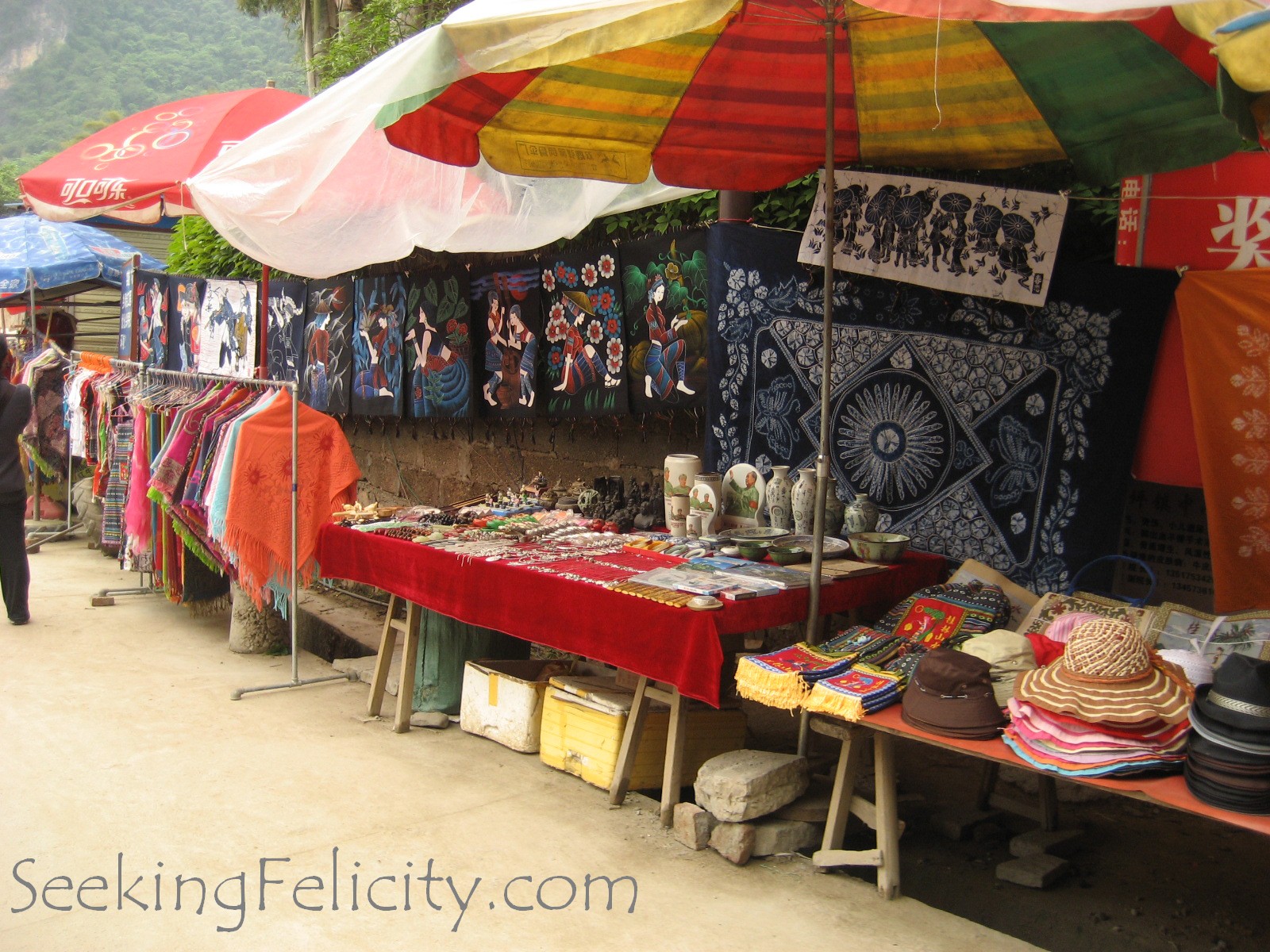
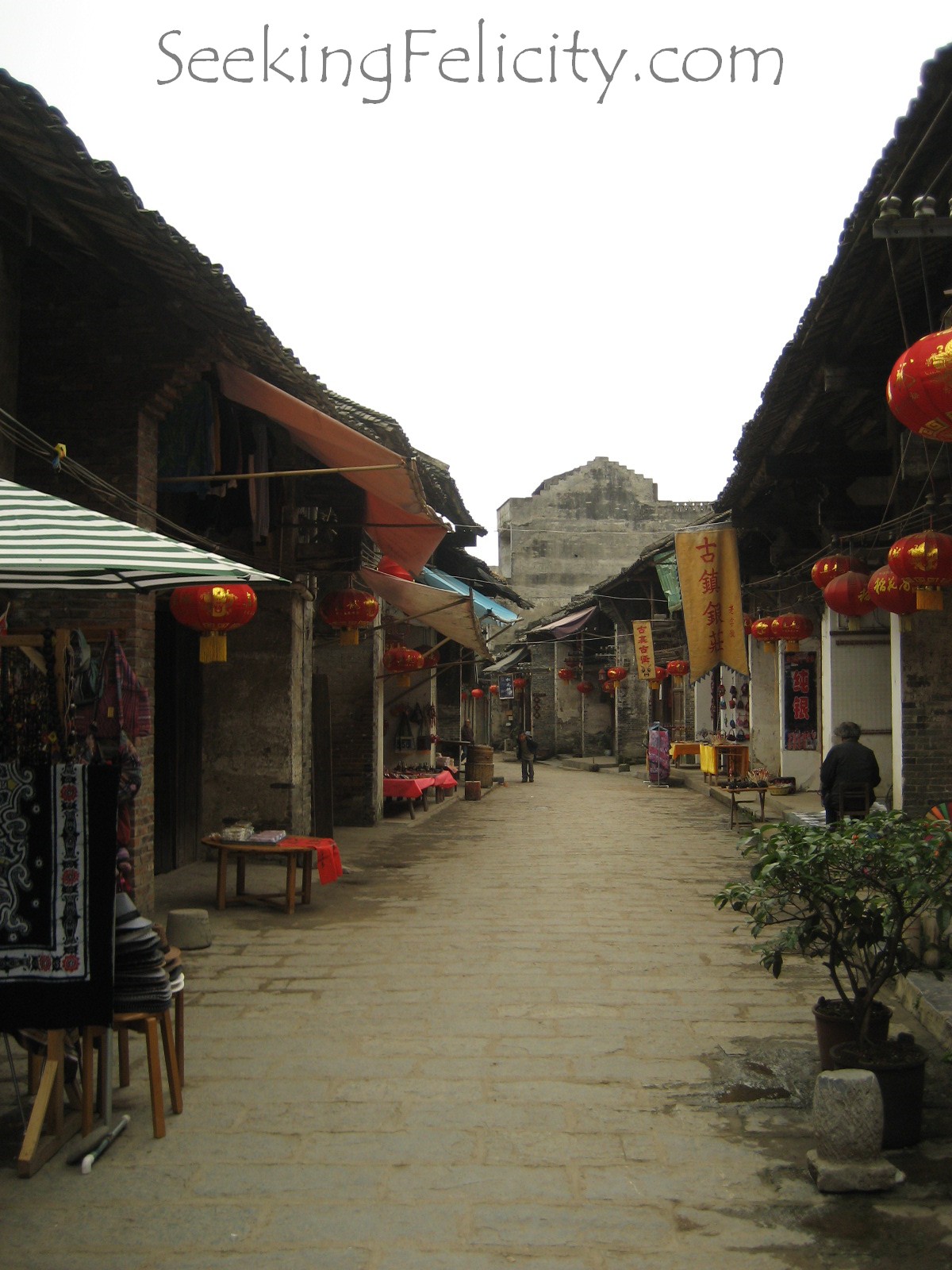
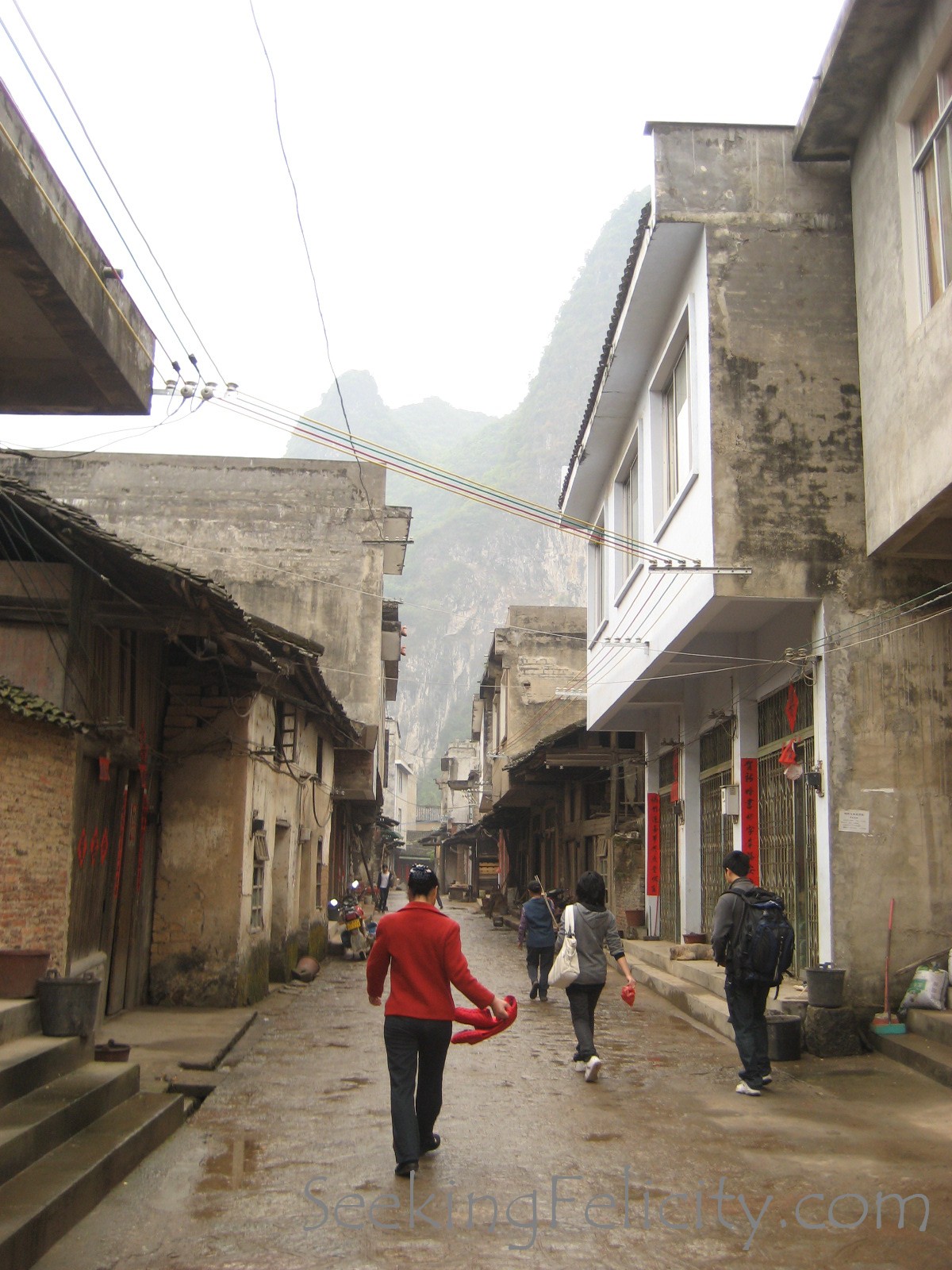
After checking in our stuff, we decided to explore the area. Xingping is a small flat town along the Li River surrounded by beautiful karst mountains. Located between Guilin and  (27kms upstream from) Yangshuo, it doesn’t get that much visitors. It didn’t take us long to actually walk around town. There is one main road and there are many stores alongside it some of which were selling very cheap stuff (i was able to buy a toothpaste for 2rmb and some drinks for 2-4rmb), as well as many affordable eateries and a few hostel. Most of the buildings along the main street seemed new. There is a portion of the village wherein you’ll see the old streets though. They were very interesting, it felt like I was walking around ancient China. I met an old man who’s selling his paintings of the Li River along one of the old streets for around 30rmb (you can initially haggle it down to 20) but I got it for 5rmb. I wanted to buy around 10-15pcs for maybe 4rmb each as gifts for friends but he shooed me away coz he said the other tourists would buy his work for at least 20rmb! He said I was such a cheapskate! haha I liked his work but as I saw when I got to Yangshuo, his work was that of an amateur. I wanted t0 take a picture of him with his many paintings but then we would have to shell out some yuan so I didn’t.

Souvenir stalls

Old street

Related Posts:

DIY: Chinese Visa Application

First time in Mainland China

To Guilin By Train

Cruising the Li River

Trekking a Karst Mountain

Arrival in Yangshuo

China – Guilin (part 1)

April 11, 2010

Woke up when the train got to Guilin. I’m excited already!

It was cold and foggy when we got off the train. The next thing I noticed was a group of travelers (they were whites and they all had huge backpacks) looking clueless (I wonder if we seemed that way too ^_^). They were approached by an official looking guy and were led to a tourist information center. We followed suit. ;) Inside, they’ll brief you about their city: what to do, what to see, how to get around, they even gave us a map of the city. Very, very helpful people (not to mention kind too)!

What I wanted to do that day was to take the Li River cruise. We were booked that day for a guesthouse in Xingping. To save on time and money, we decided that it’s best for us to take the river cruise and then get off at Xing Ping. Hitting two birds with one stone. We just have to find someone who’ll give us a good deal. :)

Getting out of the train station, people offering various tours and packages swarmed us again. I was acting nonchalant and I was determined to ignore those who were quoting huge numbers for the Li river cruise (350 rmb is the standard rate). We got it down to 100rmb each! I was happy with that until I learned that the 2 locals we traveled with got theirs for 75rmb each. Oh well. ALWAYS always haggle! ;)

We were made to wait in a small, poorly lit lobby after paying for the trip. The lady we talked with then went back outside, probably to look for other tourists. We haven’t had our breakfast yet so we bought some foods sold along the street (freshly cooked rice cakes and breads). We were made to wait for around 30minutes, I was starting to get impatient and was thinking that she might have forgotten us already (or worse, that we fell for a scam!). hehe After x-minutes, she came back for us and led the way to a non-airconditioned (there was no need as it was very cold)  mini bus full of locals. We made another (not-so) quick stop downtown where one or two more got in and we were finally on our way.

Once outside the city proper, there were tons of strawberry fields along the way. The scenery didn’t bore me as I got a glimpse of several karst mountains every now and then. After almost an hour of land travel, we were at our destination (no idea where coz we’re not really able to communicate with them).

Guilin's karst mountains

Strawberry fields!

Luscious berries

Upon alighting from the bus, we made a beeline for the food vendors! hehe There were a lot to choose from: sweet potatoes of different varieties, nuts, breads, strawberries and other fruits, etc. Strawberries for me coz they look so delicious! One pack, probably around 500gms, costs 5rmb. I thought it was cheap :D

After a while, we weren’t done eating yet, the lady approached us and told us to follow her, again. Behind her were two Chinese tourists. We walked towards the river bank to where bamboo rafts were docked. One was made ready and we, the four of us, went in. My friend and I got the back seat. This is where we started our Li River Cruise. Yay!

Walking towards Li River

There are 3 options when doing the Li River cruise. You can go on a big airconditioned boat with Chinese & English speaking tourguides and lunch with lots of other tourists (most expensive); a big non airconditioned boat with Chinese speaking guide and a packed lunch with the tourists too; or you can ride a bamboo raft and enjoy having it to yourself (cheapest). ;)

Docked bamboo rafts

The big boats cruising the river

Our boatman also acted as our guide. He’d point out a mountain formation and would tell us something about it, about its history, how it got its name, what it’s supposed to look like I guess. Too bad that he only speaks Chinese. lol I was just taking a guess as to what he was saying hehehe I ended up trying to pinpoint spots he’d point out. ;)

Our boatman/guide

Some pics of the famous Li River

Having your own raft (yeah, so we shared it with two more :p), eating delicious foods while on a river cruise with very scenic views totally made my day! :D

Related Posts:

DIY: Chinese Visa Application

First time in Mainland China

To Guilin By Train

The Quaint Town of Xingping

Trekking a Karst Mountain

Arrival in Yangshuo

China- Guangzhou (part 2)

April 10, 2010

China is the most populous country in the world. Expect huge crowds in popular areas like the train station. Also, it is common practice to buy train tickets in advance especially during peak season (ie. Spring Festival) but you may still buy one on the spot. Getting one from travel agencies there is also one way to make it a lot more convenient.

Guangzhou's railway station

Many were loitering by the train station's entrance

It was crowded when we got there. There were long lines to get inside the train station itself. This was the chaotic part as some people would push and shove to get to the front first. Everyone had lots of baggage so that adds to the feeling of being swallowed up by a crowd. ;) Once inside, you’ll have to look for your platform (if you can board already, there’s a huge screen showing these details) and respective coach number. People were running and I was tempted to run alongside them (excited much? ^_^) but my companion reminded me that we’re on time and that there was no need for us to run.

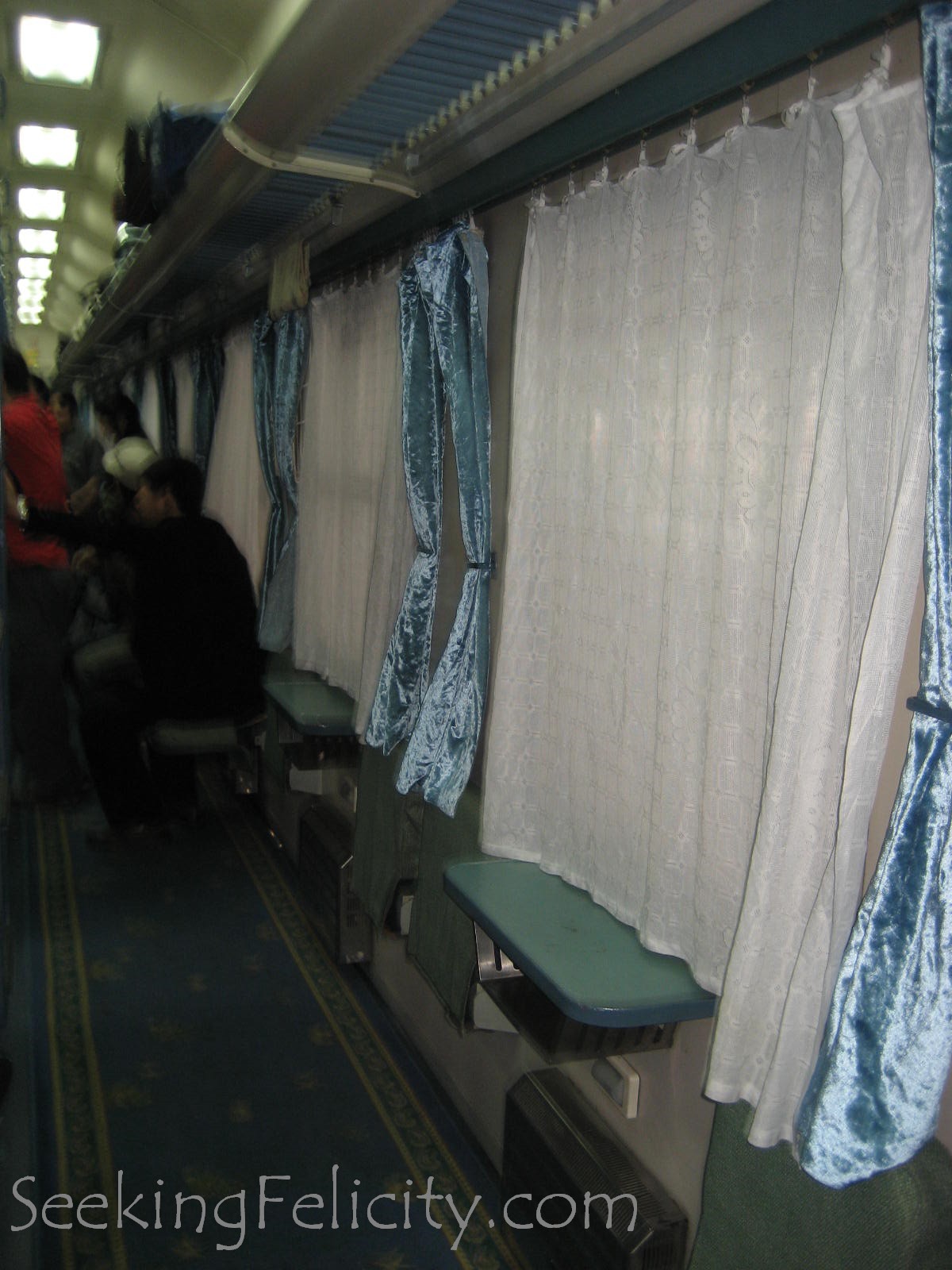
After we found our train, a conductor ushered us to our compartment after checking our ticket. There were 6 bunks in a compartment (ours was near the entrance of the coach) but when we rode the train, it was just us there. It was a different story on the coach’s other end. It seemed crowded or probably, they were just loud and were loitering by the aisle. My friend was admittedly disappointed with this as he was keen for me to mingle with the locals. He probably would have dragged me there if I’d let him. hehe

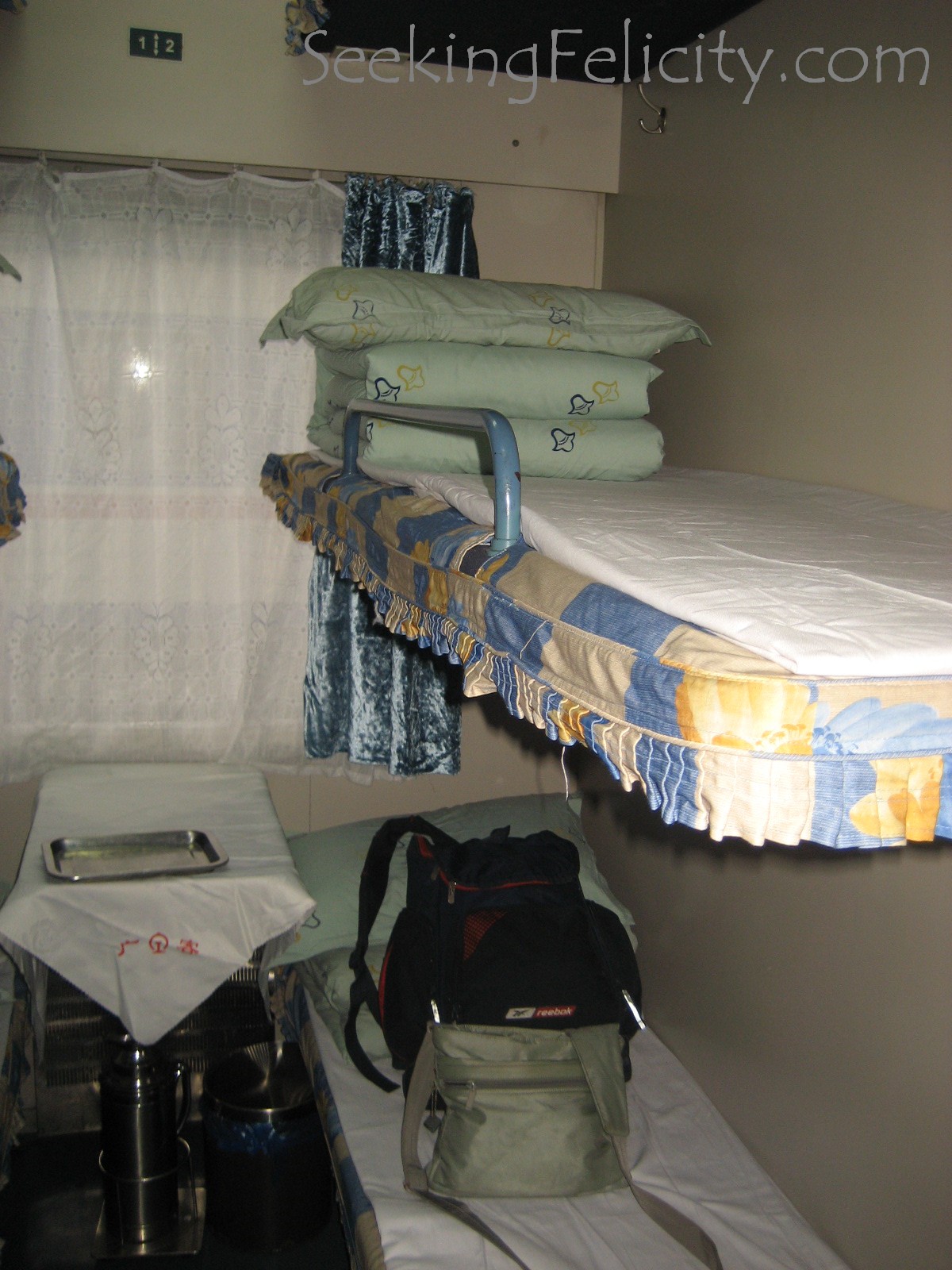
It took us 12 hours to get from Guangzhou to Guilin. Our tickets (for a hard sleeper) cost 215 rmb each (1rmb=7php). The train left at 6pm.

My hard sleeper

There are four common type of train tickets available:

Soft sleeper

These are private compartments which are fitted out to a higher standard. Each compartment has four bunks and a double action  door allowing separate access to the two upper and two lower bunks. Comfortable bedding and good quality pillows are provided. Each bunk is equipped with a small reading lamp. Temperature controls are installed alongside the door. Generally speaking, the facilities include a clothes rack, slippers, clothes brush, stainless steel thermos, fine porcelain teacup, a trash can and wall socket. Some of the trains may have a squat-style toilet together with a supply of toilet paper. The price is a little higher than the other kinds of seats.

Hard Sleeper

The so-called hard sleeper is generally less comfortable than the soft sleeper. The compartments are open and comprise six fixed bunks, arranged as an upper, middle and lower on either side. Basic bedding such as sheets, pillow slips, blankets and pillows are provided. The space tends to be cramped and inclined to be noisy at times. However, if you are obliged to take an overnight train trip, the hard berth is highly cost effective.

Soft Seat

There are no bunks for sleeping, just a nice, comfortable cushioned seat. The carriages are clean and roomy.

Hard Seat

This is the basic way to take a train trip, and has the lowest price. As the name implies it can be something of an ordeal, especially for a long or an overnight journey. The seat is less soft, roomy and comfortable than a soft seat. The carriages are always noisy and crowded with people, especially during peak times or the high travel season on the most popular railway routes. Usually, people holding standing-room-only tickets are arranged to stand along the aisles of hard-seat carriages. The toilets are usually unclean and cramped (only 1.2 square yards) and no toilet paper is supplied. For the adventurous or maybe just a short daytime journey this is acceptable as it is a wonderful way to experience something of the timelessness of the real China and its people.

-http://www.travelchinaguide.com/china-trains/tickets.htm

The train's aisle

During the trip, food laden carts would regularly make their rounds. You can buy noodles, drinks, fruits, etc from there. It is better though to buy your snacks before you get on the train so that you’ll save some money (a big bowl of instant noodles is around 4rmb outside, it can easily cost twice that inside the train). Also, don’t be misled by its name, hard sleepers in my opinion are a comfortable way to travel (I wasn’t cramped on my bed, the sheets were clean, lots of space!). ;)

Related Posts:

DIY: Chinese Visa Application

First time in Mainland China

Cruising the Li River

The Quaint Town of Xingping

Trekking a Karst Mountain

Arrival in Yangshuo

China – Guangzhou (part 1)

April 9, 2010

My flight for Guangzhou, my first in mainland China, left late at night. After a short almost 2 hours flight, the flight attendant  welcomed us in 3 languages upon touchdown (English, Filipino, Cantonese). I’ve now officially arrived in China!♥

But wait, how do I pronounce Guangzhou? Gwang-zoo? Gwang-zu-o? The proper way to do it is by saying “Gwang-jo” since their “zh” has a “j” sound. :)

It was chilly when I got there. At the immigration, everything’s the same save for one, they take pictures of those arriving in their country. Uh oh! I am so not photogenic! Ugh!

At the last inspection, I was pulled aside after I said it was my first time there, routine baggage inspection. It was kinda funny though because I brought ube with me to give to my host (my mom bought it in Baguio’s Good Shepherd). When the lady officer saw it, she asked me what it was. So picture a small rectangular clear container filled to the brim with a smooth surfaced, soft, violet thingy and you have no idea what it is (she tried to smell it but it has no odor). I was trying to explain that it came from a rootcrop and that we use it for desert (I wanted to cite halohalo as an example but she gave me a blank stare, time for another tactic!). I enthusiastically suggested to her to try it coz its delicious! haha She was surprised about my offer she stammered out “No, no! It’s okay. You go! Go ahead!” :D

It was chaotic when we got outside the airport. I traveled with a close friend there. He was already in China so he was waiting for me at the arrival area. Guys in suits walked up to us and tried to sell us cigarettes, local sims (they have a good deal it turns out), or usher you to one of the cabs in line. We ignored it all and got on an airport shuttle bus outside to head for the city.

TIP: To head to the city, it is cheaper to ride an airport shuttle bus found just outside the arrival area’s exit. They can cost anywhere from 8-40rmb depending on your destination. We went to Tianhe district and it cost us 20rmb each.

We were hosted by Pietro in Tianhe District on our first night.  It was nice of him to allow us into his home eventhough he was busy moving on to a new place (and with the opening of his restaurant, Amici Miei). We slept very late coz we chatted the night away. :)

Pietro's cozy living room

The view from my room :)

We had the whole day to enjoy before we board our train for Guilin that night. However, since I wasn’t exactly dressed for cold weather, I opted (though with a heavy heart) that we explore only the areas near our host’s place.

The park in front of our building

TIP: April is spring time in China BUT that doesn’t mean that it’s not cold anymore. Better be prepared and check the weather before you fly there and bring a jacket with warm lining, a pair of gloves, and scarves with you to keep you warm. Locals were wearing coats and boots while I was there!

Guangzhou on a cold, foggy morning

Inside one of Guangzhou's metro station

Before we boarded the train, we met with another host of ours, Giselle, so that I can leave my luggage with her. I wanted to travel light so I only brought my backpack along.  :)

Complete listing of the airport shuttle bus’ route and fares

Related Posts:
DIY: Chinese Visa Application

To Guilin by Train

Cruising the Li River

The Quaint Town of Xingping

Trekking a Karst Mountain

Arrival in Yangshuo

Roadtrip in Ilocos (part 2)

March 21, 2010

Our second day started out early. We’re all well rested and ready for the long day ahead.

We scrapped plans of another roadtrip and opted for a laid back morning. We’re going to go beaching and Len has the perfect place for us. Badoc Island!

It took a 10 minute drive to get us to the coastline from our host’s place. From there, we had to ride a boat. I found it scary because it was a small boat and we had no lifevest. I opted to seat inside, on the boat’s floor instead of sitting on the side.

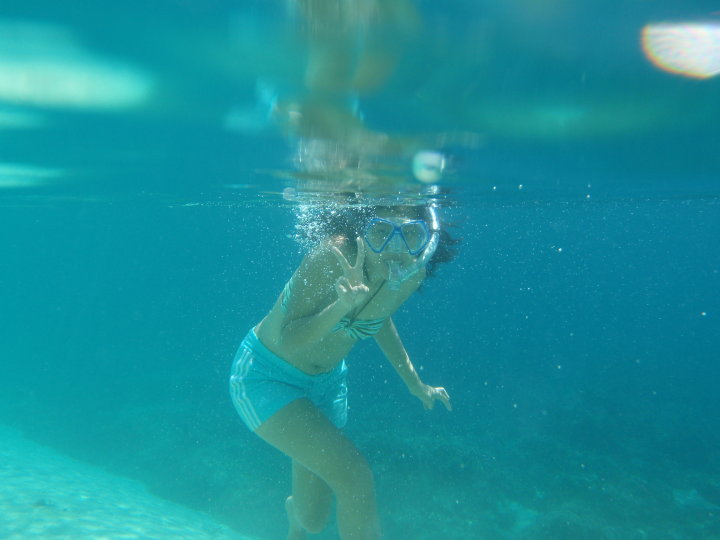
We literally had the whole island for ourselves and the water was crystal clear it was like being in a swimming pool. The only downside was that we were stung by jellies that morning. Water was safe past 10am though. hehehe

The underwater views in our country are always a sight to behold and the place was no exception. I’m glad I brought my snorkel gear along. :)

We brought food and had an impromptu picnic there. We were very hungry from all that swimming, our food was quickly finished!

Time flies when you’re having fun. It was all too soon that we had to head back because we still have Ilocos Sur’s Vigan in our list. ;)

The only down side that I can think of when traveling with a big group was that even if your host has a lot of bathroom, it will still take ages for everyone to get freshened up! Hmph! We walked around the town while waiting for our turn to shower hehehe

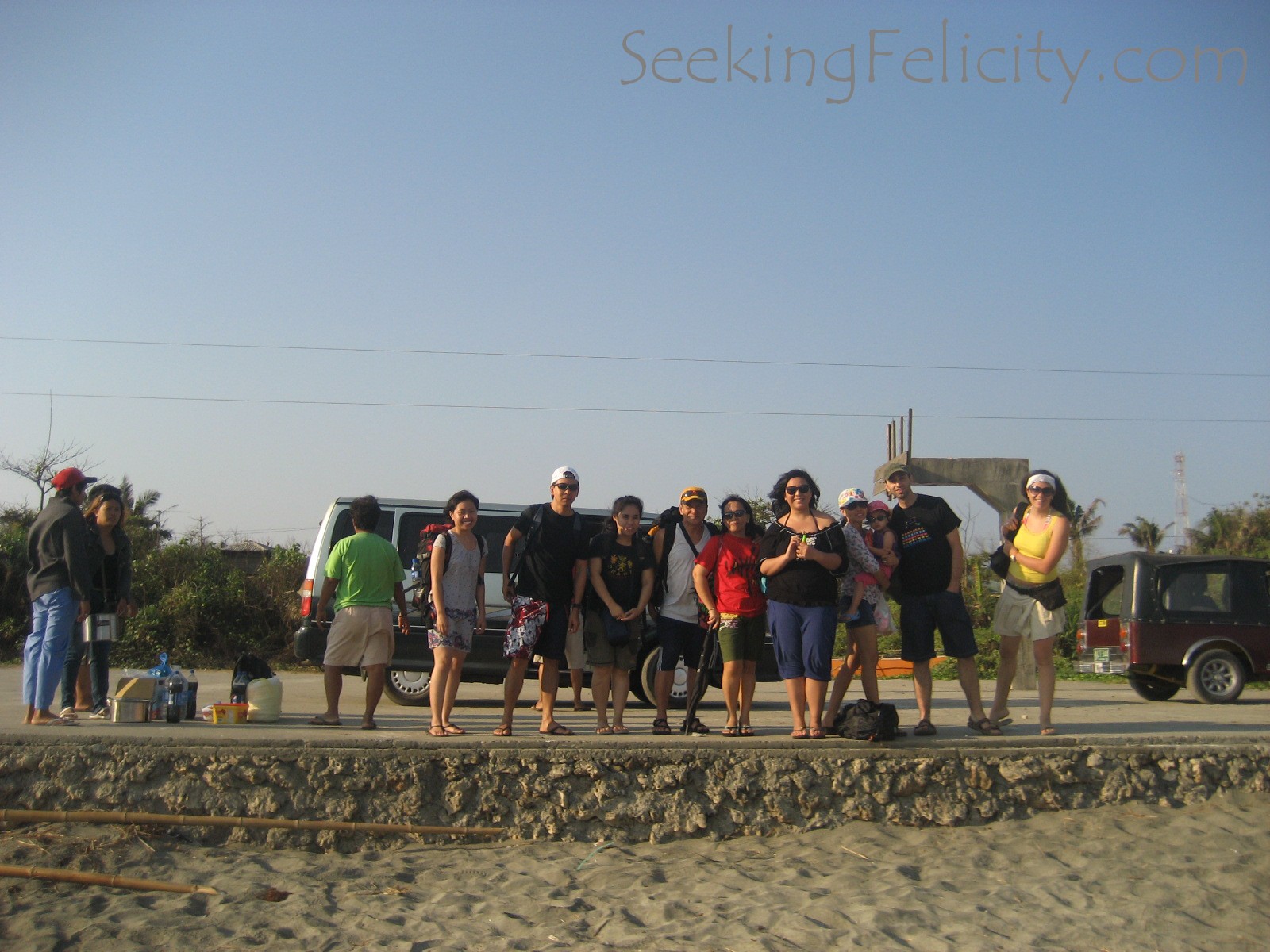
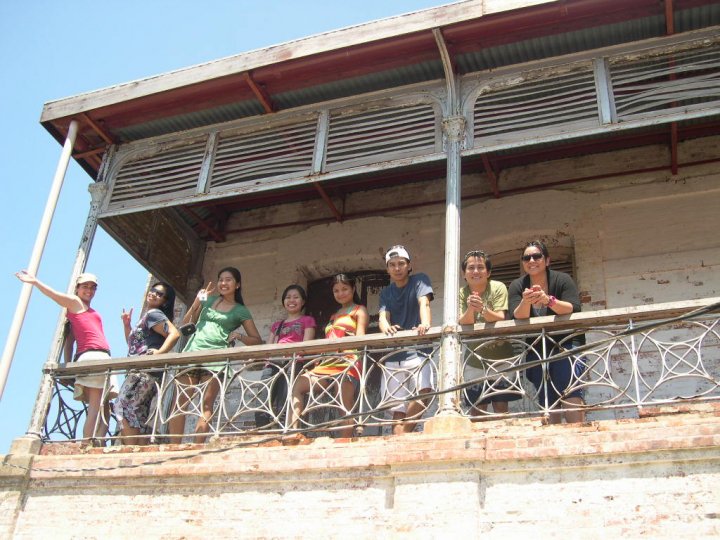
After everyone’s packed up and ready to head off to our next destination, we set aside a few minutes for group pictures. :)

We had to wait for almost 30 minutes to catch a bus headed for Ilocos Sur. No worries though because we were all busy munching on delicious empanadas sold on the street. That and taking pictures of course! We had to part ways with DJ though coz he’s headed back to Pagudpud (lucky guy!).

With DJ, before he boarded the bus for Pagudpud

Vigan is Ilocos Sur’s capital. A UNESCO World Heritage site, it is famed for its Spanish influenced colonial houses and cobblestone streets. A stroll in Crisologo Street is like a walk back in time. :)

Calle Crisologo

Unfortunately, we had limited time there coz it’s back to work the next morning for most of us. It was still enjoyable and is on my list of places to return to. ;)

Roadtrip in Ilocos (day 1)

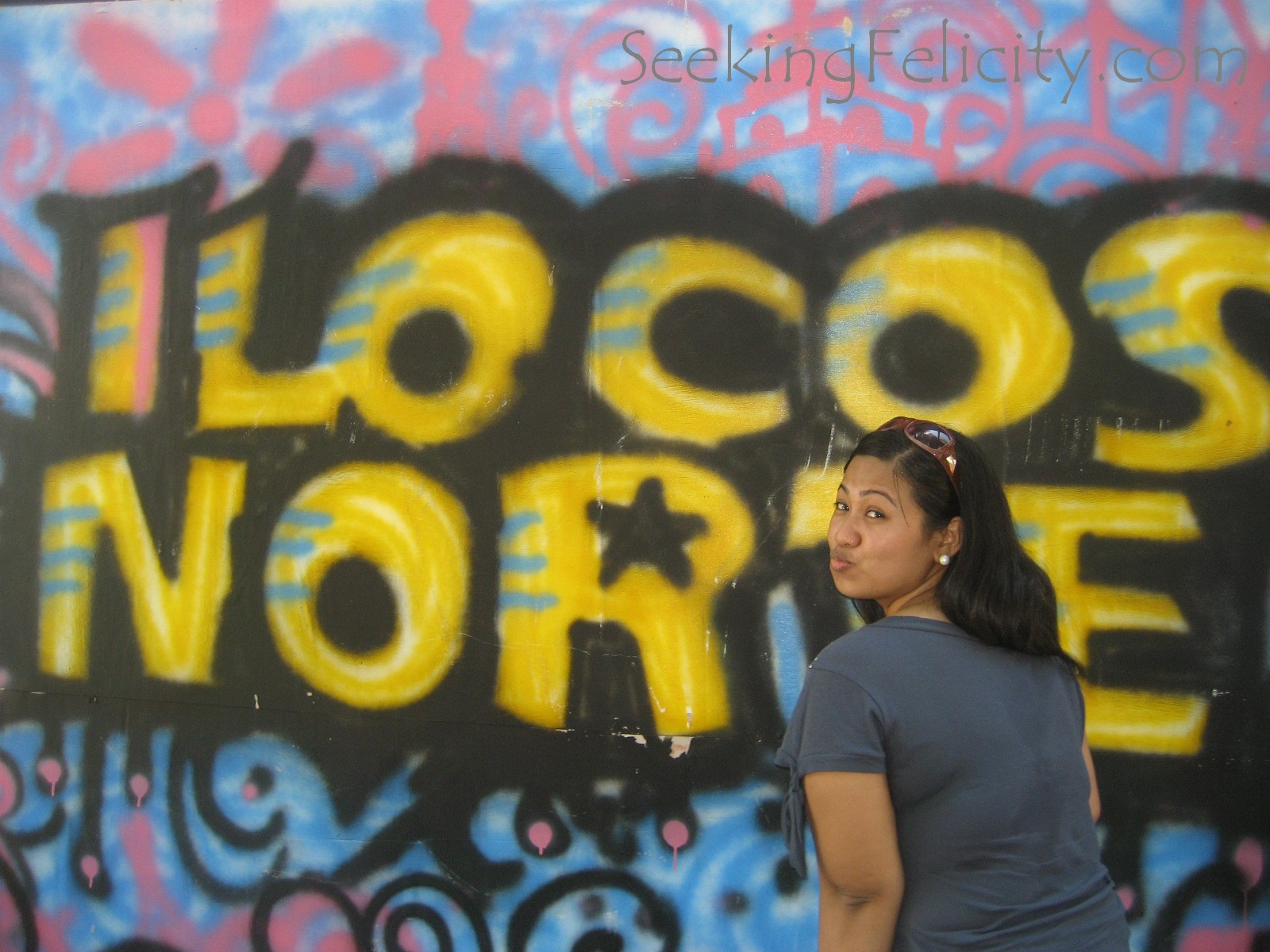
Len, a good friend who hails from Badoc in Ilocos Norte, hosted me along with 18 more from the world over in her hometown for a weekend. I had so much fun! I must say that Ilocos province is one of my favorite countryside. The view of the ride is very scenic; the mountains, plains, the sea, it all kept me enchanted with the province.


March 19, 2010

Our meeting place is at RCJ bus station in Sampaloc, Manila along España by 9pm. It’s opposite Florida bus line, almost directly in front of UST. Since it was a Friday night (again), traffic was heavy so our host Len along with few other joiners were late. She sent me an sms to get everyone organized. I introduced myself to the others joining us on the trip and collected 500php from them for the bus fare! hehe We were all seated at the bus when our wonderful host arrived. :D

The bus set off a few minutes past 9pm. We had two stops over the night and I learned from Len that you can claim some noodles and biscuits at one of the stop by just showing them your bus ticket. Cool! The ride took 9hours. A bright sunny morning woke us up. :)

Initial itinerary is to cover as many spot as we possibly could given our short stay there that’s why our first day is going to be a roadtrip!

1st stop: Paoay Church a.k.a. St. Augustine Church in Paoay

Paoay Church, a UNESCO World Heritage Site

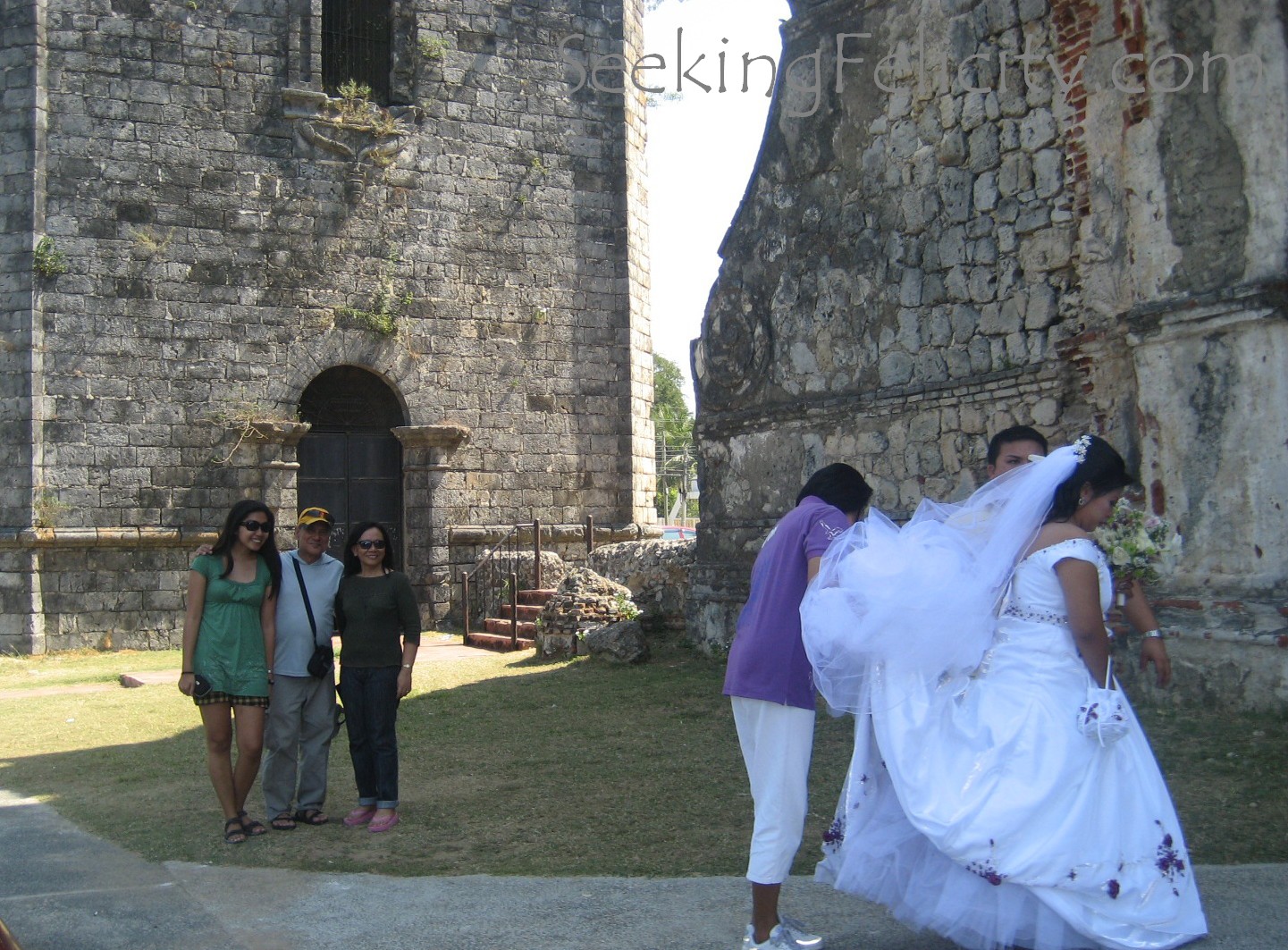
The Church is a unique combination of Gothic, Baroque and Oriental designs. Its facade reveals Gothic affinity, its gables show Chinese elements, while the niches topping the walls suggest Javanese influence (reminiscent of the famous Boroboudur Temple). Known as the “Earthquake Baroque” church in the Philippines, Paoay church was built of baked bricks, coral rocks, salbot (tree sap) and lumber, and has 24 carved massive buttresses for support. – wikiPilipinas

When we got there, a wedding was about to take place, perfect timing for taking pictures! :D

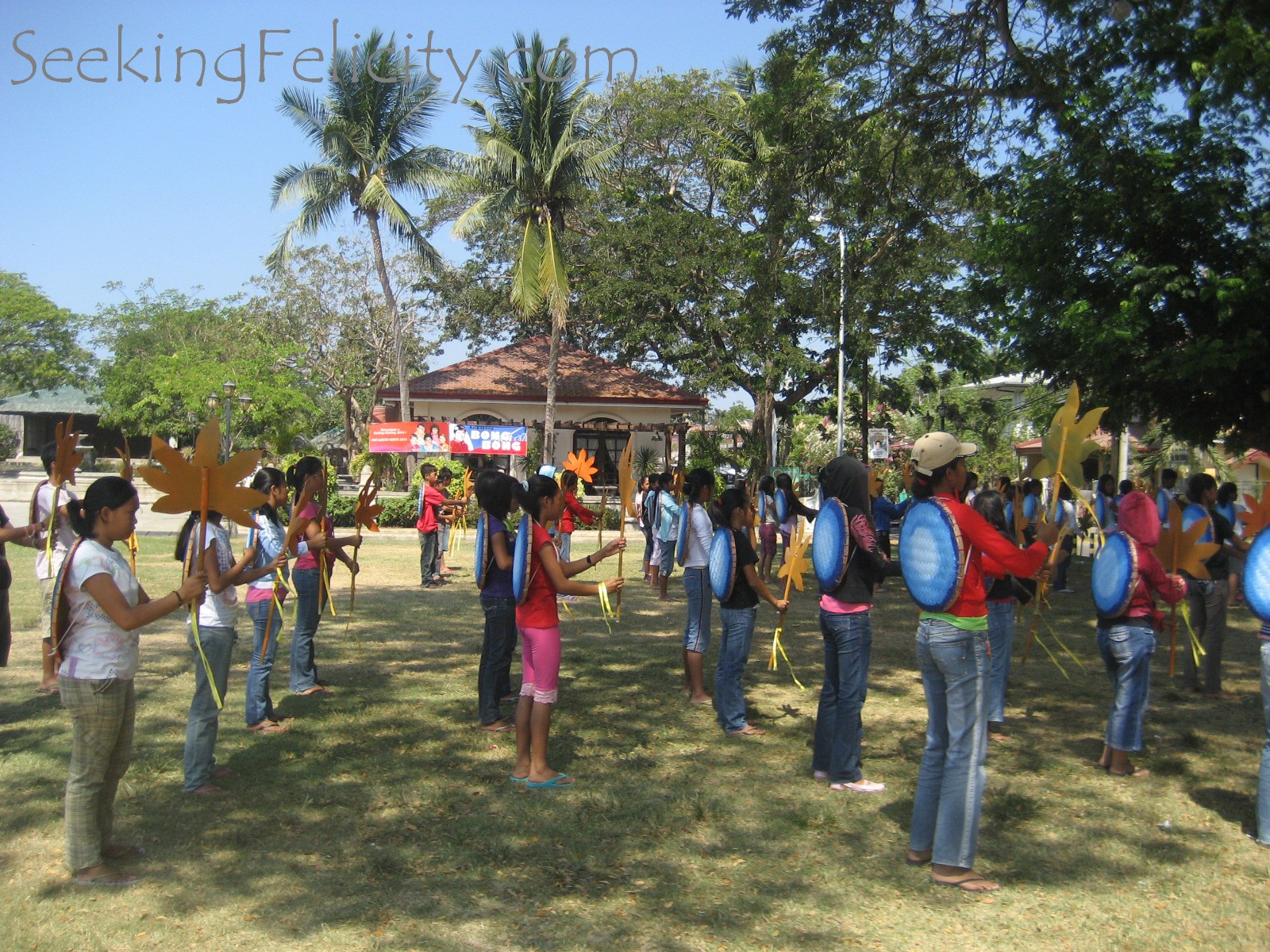
Along with students nearby practicing some dance moves for a presentation.

It really is a beautiful church. :)

2nd stop: Bahay Ti Ili (Marcos’ ancestral house) in Batac

A property owned by the Marcos family, it features their ancestral house as well as a museum filled with the late president’s memorabilia and a mausoleum which houses his waxed remains. Taking pictures within the mausoleum isn’t allowed.

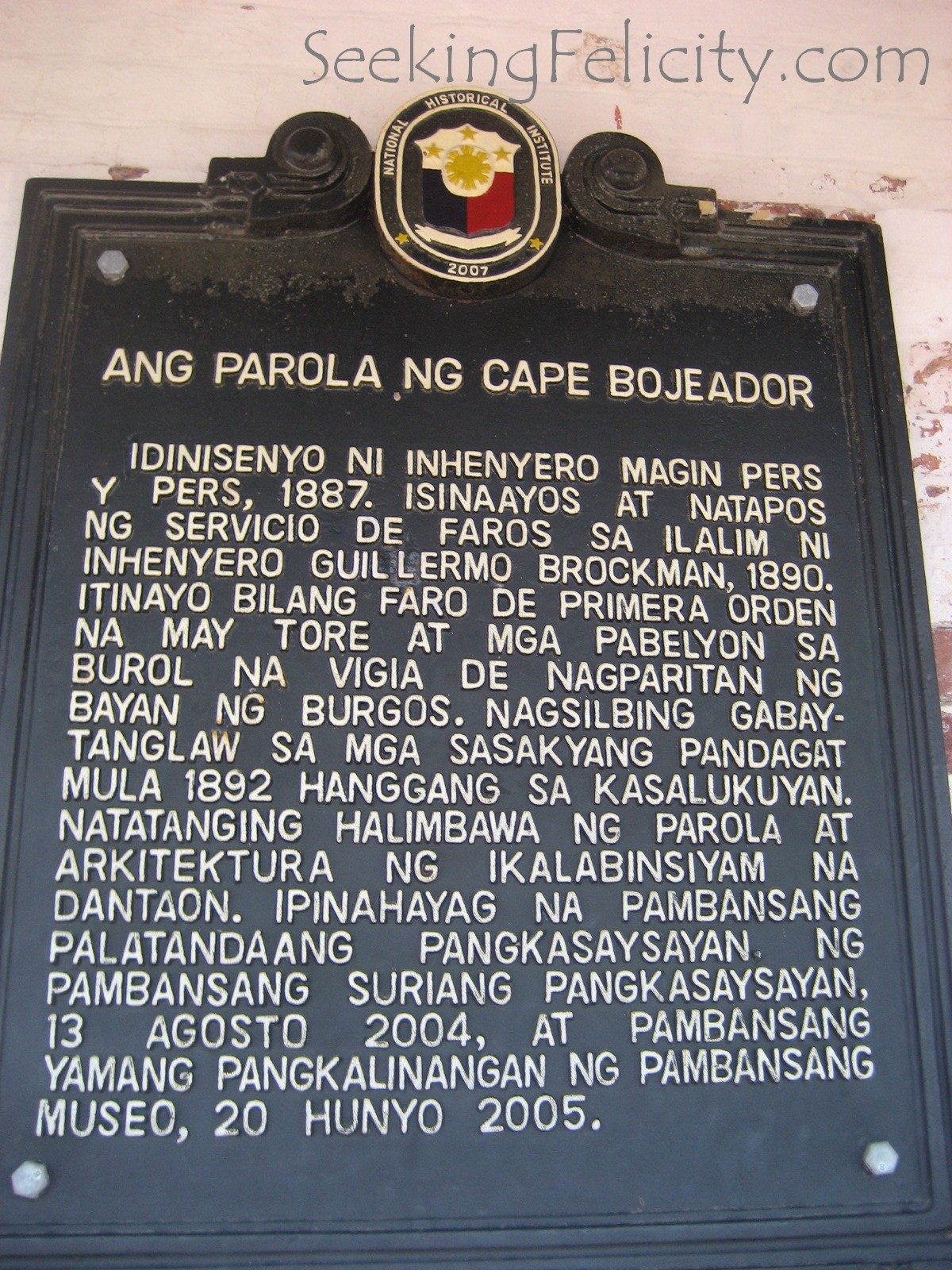
3rd stop: Cape Bojeador Lighthouse a.k.a. Faro Cabo Cape Bojeador a.k.a. Burgos Lighthouse in Burgos

Considered as a cultural heritage structure, its light marks the northwesternmost part of Luzon.

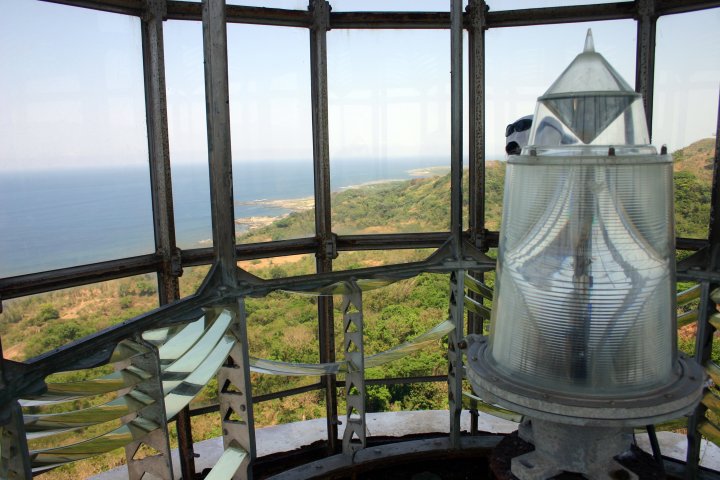
The view of Cape Bojeador from the top of the lighthouse is amazing!

That’s why it is popular with tourists. ;)

4th stop: Pagudpud

The place is known for its fine white sand that’s why it’s touted as Boracay of the north. We had our late lunch here and made some time for fun in the water and on the beach.

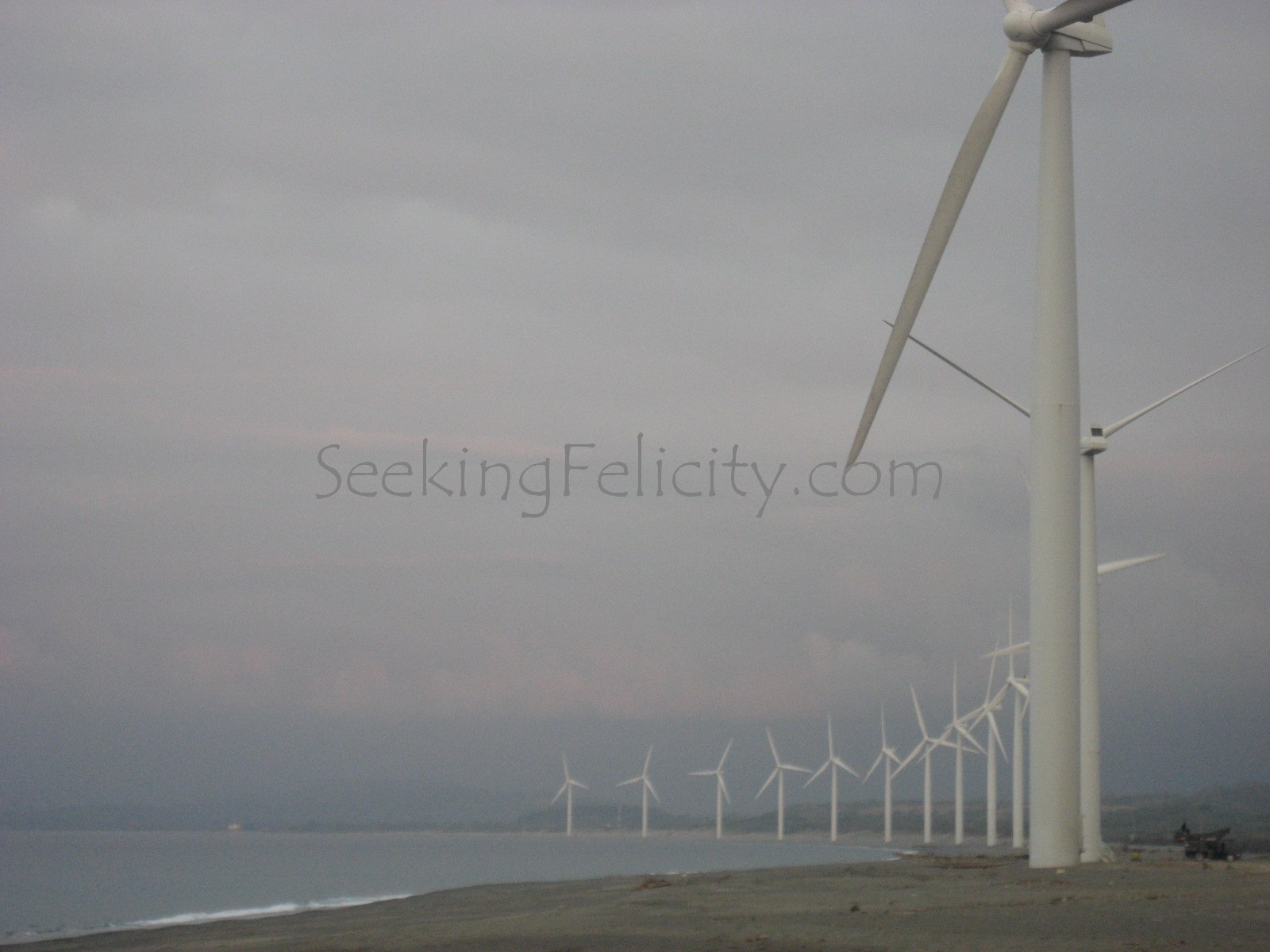
5th stop: NorthWind Bangui Bay Project a.k.a. Bangui windmills in Bangui

The first wind farm in the country and the the biggest in Southeast Asia. It is a good example of usage of renewable energy. :)

Since it was past sunset after our stop at Bangui, we went back to our host’s place for dinner and rest. :)

There were places that we weren’t able to go to like the sand dunes and rock formations since there were just so many interesting places to visit. But that gives me another reason to go back. ;)

Considered as a cultural heritage structure.

DIY: Potipot Island Camping

shoreline of Potipot

Potipot is a tiny island off the coast of Uacon, Zambales. Potipot is so small  you can walk around it in about 30 minutes. The sands are a bit fine but I wouldn’t say it’s as fine as those in Boracay. A good place to relax and enjoy the beach, you can even do some snorkeling here.

To get there:

We rode a Victory Liner bus from Caloocan Station bound for Sta. Cruz, Zambales. It took us more or less 5 hours to get to Zambales by bus and from there a 10-15 minutes boat ride to reach this haven.

Don’t forget to:

  • Bring along stuff for your entertainment (frisbee, volleyball, a deck of cards, snorkel gear, a book) to keep boredom at bay.

do some snorkeling ;)

  • Be prepared for night time (bring a sleeping bag/tent, blanket, and a good flashlight).
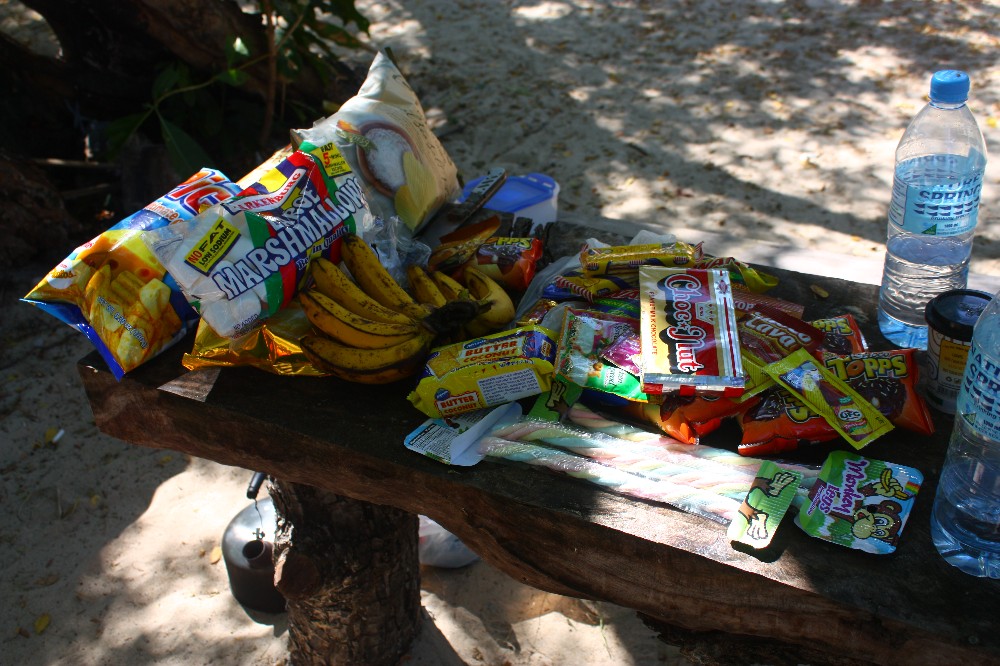
  • If you are going to go camping, make sure you have enough food (for your meals and snacks to munch on too) and drinking water supply.

snacks! :D

Expenses:
island fee

  • bus fare – 436php one way (Mla-Sta.Cruz)
  • overnight fee – 200php
  • boat – 400php/boat (there were 4 of us in it)


Related Post:
Overnight in Potipot Island

Overnight in Potipot Island

I made a lot of friends because of my love for traveling and there will always be those whom you share a special bond with. So we (I along with 3 more friends) hatched a plan to stay overnight in an island (qualifiers included: should be reached by land travel, not crowded, chill-out place) for some bonding time.

January 23-24, 2010

Meeting time’s supposed to be at 11pm because the last trip bound for Zambales is around midnight. It was a Friday and traffic was heavy. That was why even though Abby and I left Makati (we just had to attend a dinner on that night too ^_^) around 10, we were barely able to catch the last bus. We literally had to run for it!

and we're off for Caloocan bus terminal!

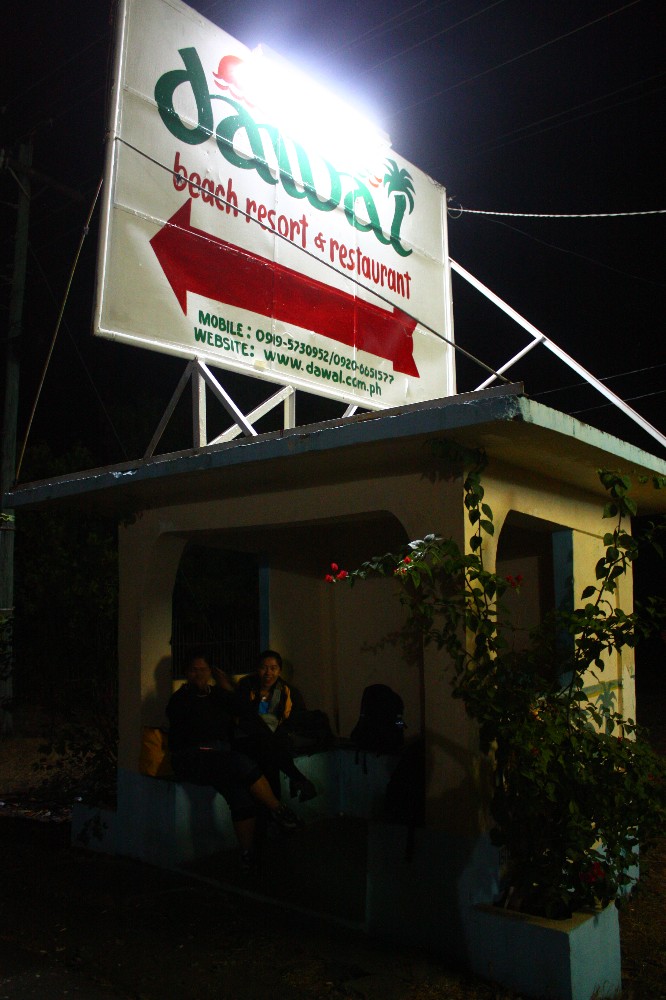
That bus ride was quite memorable. It was packed! Packed enough that not finding seats wasn’t enough. There was barely room for us to stand in. I seriously thought that I will have to stand for the whole 5-hour trip! Good thing it was for only 2 hours (!). The fact that I was catching up  stories with good friends sort of made the whole thing more bearable. After a couple more hours, it seemed like we were the only ones left when the bus conductor informed us that it was our stop, Dawal.

seeking shelter at a shed one early morning

It was still dark (4:30am-ish) and very cold (for which I was happy that I brought a jacket along) when we got off the bus.  We met a man whilst walking and he asked us if we’re going to Potipot Island. Turns out that he and his wife rent out their boat to travelers as well as provide cooking utensils if you ever need some. It was then agreed upon that he’ll bring us to  the island and fetch us the next day all for 400php with a pot of rice thrown in the deal. :D

Sta. Cruz talipapa

We then proceeded to the marketplace to buy some food, drinks, firewood and we had our first meal of the day there, freshly cooked arroz caldo. Yum!

mag-agahan muna tayo! :D

I thought Potipot Island was near Anawangin and Nagsasa Cove so I was sort of expecting a landscape similar to those two (think: pine trees, streams) that’s why when I saw the island, I turned to my friends and was like “Yan na yun? The usual tropical island with coconut trees?” I blame it on the fact that they’re both in Zambales which is no reason at all come to think of it. They laughingly answered “yes” but turns out it wasn’t just your usual island whatever that means. I hate not doing my research! :)

Potipot Island

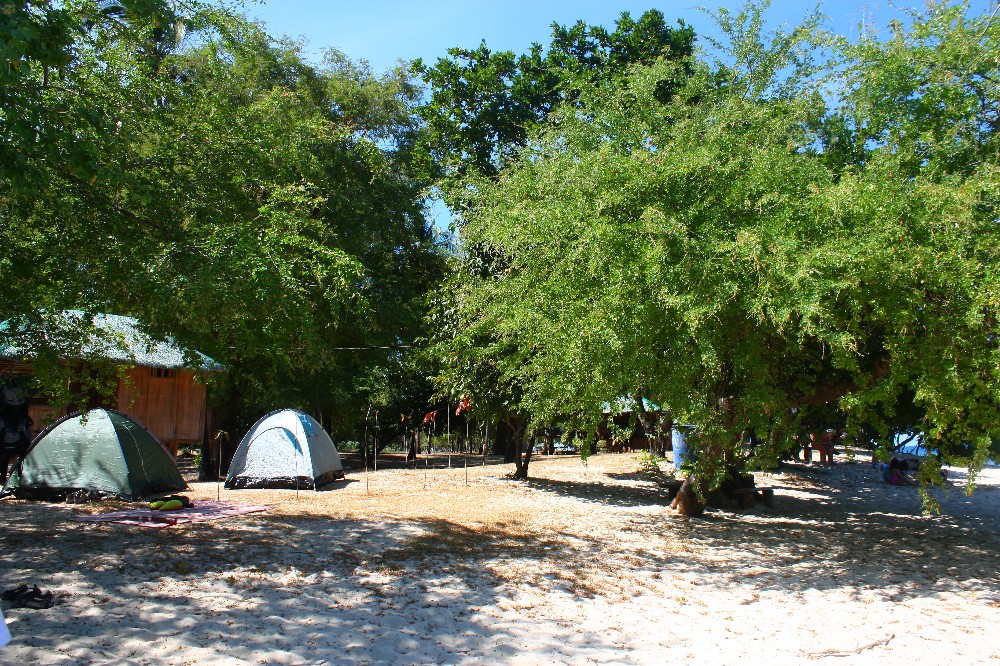
There are huts for rent in the island but we opted to camp out. First agenda then is to choose our campsite  and to set up our tents.

campsite. :)

Afterwhich, we set out to do different things. They slept while I was enjoying having the island to myself (not counting the caretakers and my sleeping companions).

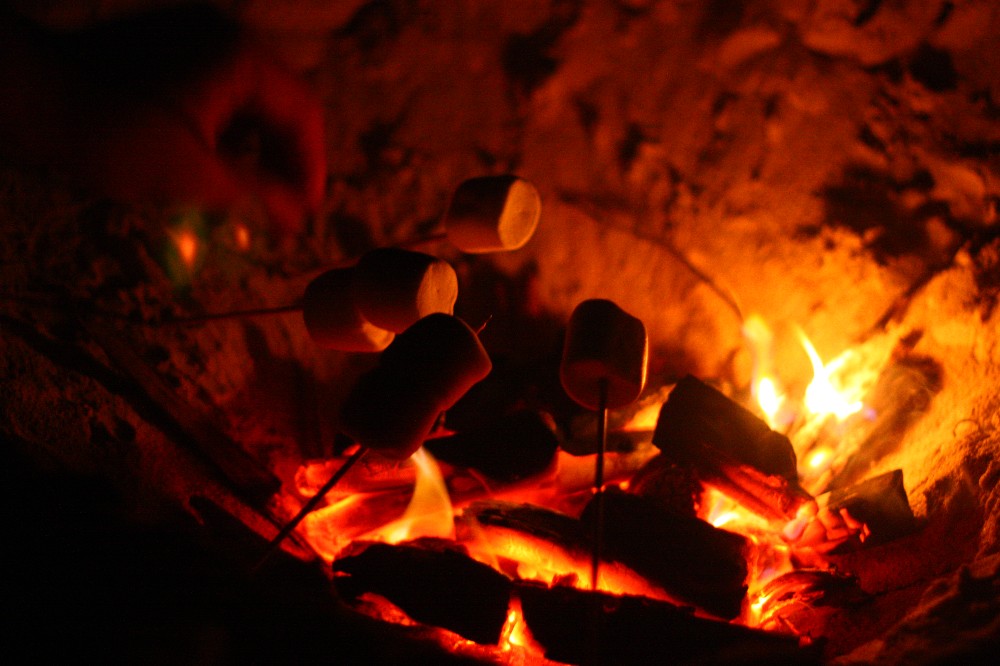
The day (more specifically the afternoon) was spent swimming, hanging out, lazing around, taking pics and trying to prepare for dinner and the night. Though we weren’t the best campers and we had some boo-boos, it was loads of fun! We even had a mini bonfire and ate burnt marshallows. hehe

mmmmm

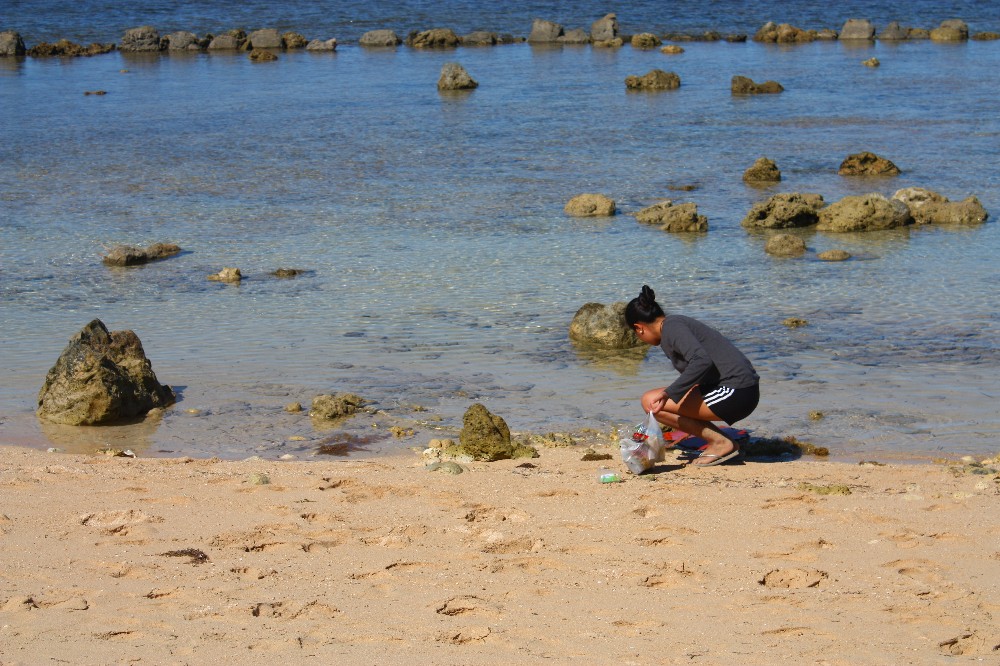
The next day was special for us as we had an agenda even before going there: We were going to clean the island! Or at least try to pick up the litters along the coast. We ended up collecting around 2 garbage bags worth of plastic and other-trash-other-people-left-behind. The island’s caretakers were grateful for our help and we were more than happy to do our small part. :)

That being done, we did some last minute swim and photo op before heading back to the mainland and to metropolitan Manila. :)

Related Post:

Potipot Island Camping